Diverse Pathways to Power: An Overview of Energy Production Methods
The demand for energy has seen a meteoric rise with the advent of industrialization, urbanization, and technological advancements. Today, as the world pivots towards sustainable solutions, understanding the diverse ways of energy production becomes paramount. This article delves into various methods of energy generation, each with its advantages, challenges, and potential for the future.
1.Fossil Fuels
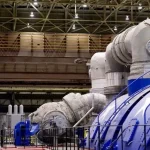
- Coal: Traditionally a dominant source of energy, coal-powered plants burn coal to produce steam, which drives turbines to generate electricity.
- Natural Gas: Faster-burning and cleaner than coal, natural gas plants use gas turbines to produce power. Combined cycle plants further increase efficiency by using waste heat to generate additional electricity.
- Oil: While primarily used for transportation, oil can also be burned in power plants to produce electricity.
Challenges: Emissions, environmental degradation, and finite reserves.
2.Nuclear Energy
How it works: Nuclear reactors use controlled nuclear fission reactions of radioactive materials (like uranium) to produce heat, which then produces steam to power turbines.
Advantages: High energy output, low greenhouse gas emissions.
Challenges: Radioactive waste, potential for catastrophic accidents, and concerns over nuclear weapon proliferation.
3.Hydropower
How it works: Dams are built on large rivers. Water released from the reservoir flows through turbines, generating electricity.
Advantages: Renewable, reliable, and can be used as a continuous or on-demand source.
Challenges: Ecological disruption, displacement of communities, and alterations to waterways.
4.Solar Energy
- Photovoltaic (PV) Systems: Directly convert sunlight into electricity using semiconductor materials.
- Concentrated Solar Power (CSP): Use mirrors to concentrate sunlight and produce steam to drive turbines.
Advantages: Abundant source, decreasing costs, and zero emissions post-installation.
Challenges: Intermittency, land use, and efficiency limitations in certain regions.
5.Wind Energy
How it works: Wind turns blades connected to a turbine, which generates electricity.
Advantages: Clean, renewable, and rapidly expanding in capacity.
Challenges: Intermittency, land use, and potential impacts on bird populations.
6.Geothermal Energy
How it works: Taps into the Earth’s internal heat. Steam or hot water from beneath the Earth’s surface is used to generate electricity.
Advantages: Reliable and consistent power source, low emissions.
Challenges: Limited to regions near tectonic plate boundaries and potential for local environmental impacts.
7.Biomass and Bioenergy
How it works: Organic materials (like wood, agricultural waste) are burned or biologically processed to produce electricity, heat, or biofuels.
Advantages: Utilizes waste materials and can be carbon-neutral.
Challenges: Land use concerns, potential competition with food sources, and emissions during combustion.
8.Emerging Technologies
- Tidal and Wave Energy: Harnessing the power of ocean tides and waves to generate electricity.
- Hydrogen Fuel Cells: Generate electricity through a chemical reaction between hydrogen and oxygen.
- Energy Storage Solutions: While not a production method, advanced battery storage systems are crucial for harnessing intermittent renewable sources effectively.
Conclusion
The quest for reliable, sustainable, and clean energy sources remains one of the defining challenges of our age. As the global energy landscape shifts, a balanced mix of traditional and renewable energy sources, underpinned by technological innovations, holds the key to a brighter, greener future.